Back to home

Rebuilding a white-label casino from the foundations.

I led the Design approach for XSITE, GiG’s new casino platform, replacing a legacy product with a more consistent, scalable and configurable foundation.

Scope

Product Design · Design Leadership ·
White-label Platform · Design Systems

Role

Lead Product Designer

Team

1 Product Designer · 1 Part-time Product Designer · 1 Graphic Designer

Collaboration

Product · Frontend · Engineering

The challenge

Evolution had reached its limit.

WAND had supported GiG’s casino business for years, but as the product grew, several connected problems became increasingly difficult to solve within its existing foundations.

01Inconsistent

Some design improvements couldn’t make it into the product.

Over time, we identified and redesigned inconsistencies across pages, components and interaction patterns. However, limited Development resources meant that not all of those improvements could be implemented in WAND.

As the product continued to evolve, some inconsistencies therefore had to remain in the live platform.
02Difficult to scale

Every new requirement added more complexity.

New features and requirements had been added over several years to foundations that were not designed for the scale the product eventually reached.

Extending the platform while maintaining consistent patterns and behaviour was becoming increasingly difficult.

03Constrained

Design and technology were both reaching their limits.

The platform had technical and maintenance constraints, while its original design foundations were no longer suited to the complexity of a growing multi-brand product.

I had advocated for improving or rebuilding WAND for years. When GiG decided to create XSITE, we finally had the opportunity to address those problems at the foundation instead of continuing to work around them.

My role

Leading the design approach, not just the output.

I joined the initial XSITE discussions with a Product brief in place. My role was to define how Design would approach the rebuild and lead it through to an implementation-ready solution.

I set the Design direction, reviewed the team’s work, challenged Product solutions when needed and worked with Engineering on technical constraints early.

I structured the Design work in Jira, linking Design Epics to Development Epics for a shared view of progress, and presented to directors weekly.

The approach

Designing the product and the system together.

XSITE wasn’t approached as a collection of new screens. We needed to define how the product should work while creating foundations that could support different brands, new requirements and future product verticals.

Our overall process followed a simple product design cycle:

  1. DiscoverResearchUnderstand
  2. DefineFramePrioritise
  3. DevelopExploreValidate
  4. DeliverRefineDocument
  5. BuildImplementIterate

Product and Engineering were involved throughout the process. Proposals were reviewed against product requirements and technical feasibility before they became part of the platform or Design System.

Understanding the market

32+Casino products in our reference set

We maintained a reference set of more than 32 casino products and expanded our research depending on the problem we were solving.

This covered areas such as navigation, search, game recommendation engines, promotions, bonuses, Cashier, filters, gamification and many other product patterns across the casino experience.

One designer was particularly focused on competitive and market research, allowing us to explore individual areas in depth rather than relying on a single general competitor analysis.

The goal wasn’t to copy existing products. We used the research to understand conventions, compare alternative approaches and inform the options we explored for XSITE.

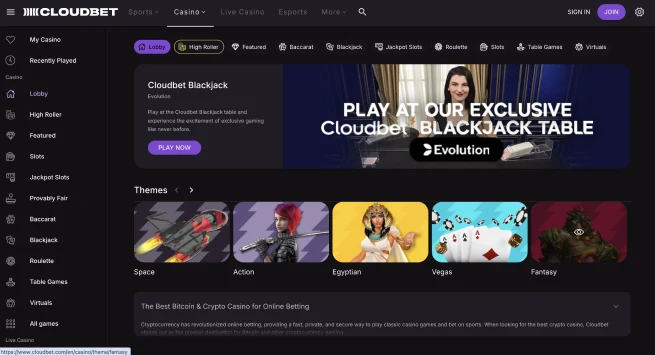
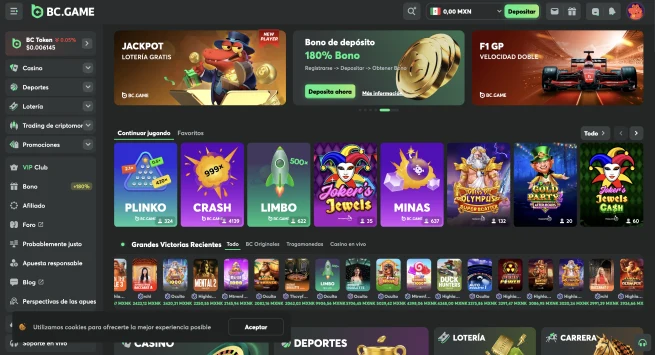
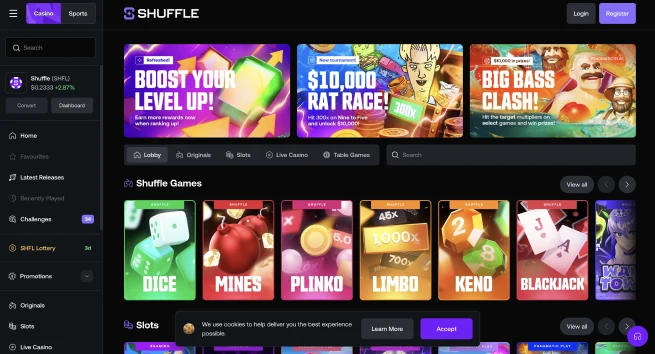
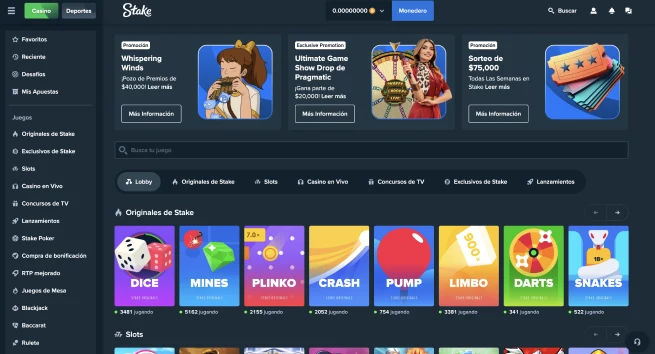
01 · Navigation92%

combine a Top bar and a Sidebar.

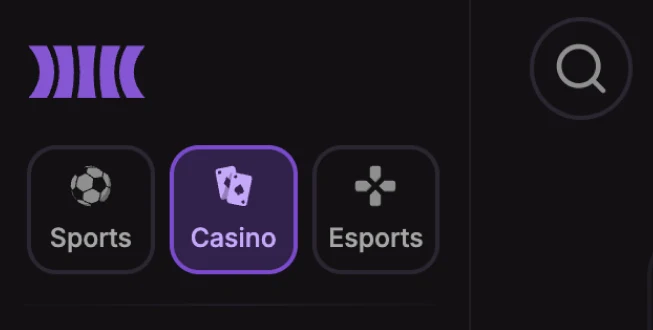
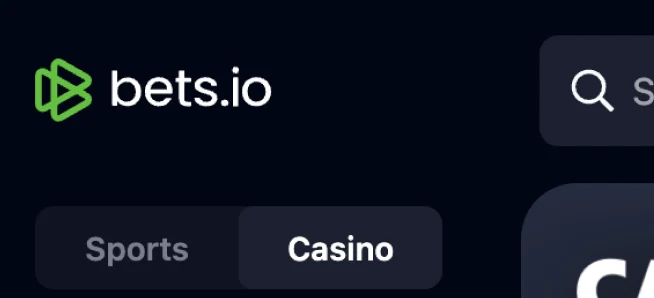
02 · Section switcher100%

use a dedicated Casino / Sports switcher.

01Excerpts from our competitor benchmark on navigation.

Mobile first.
Complete flows.

  • Web
  • iOS
  • Android

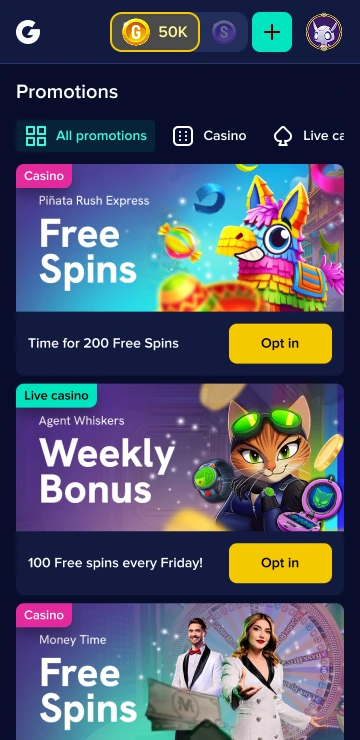
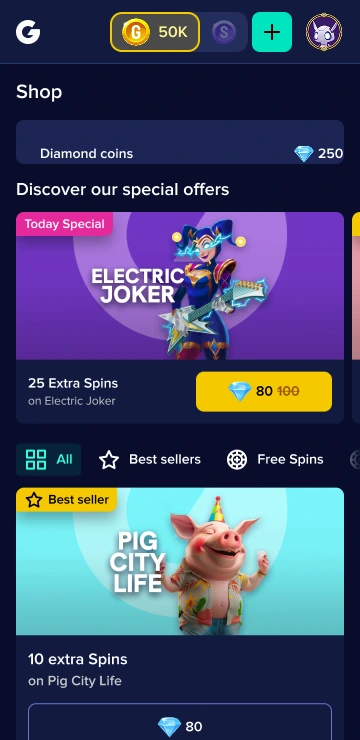
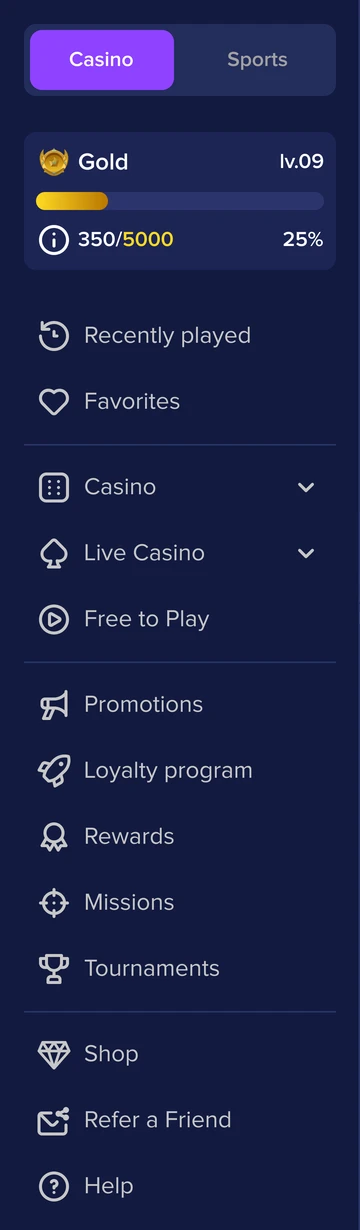
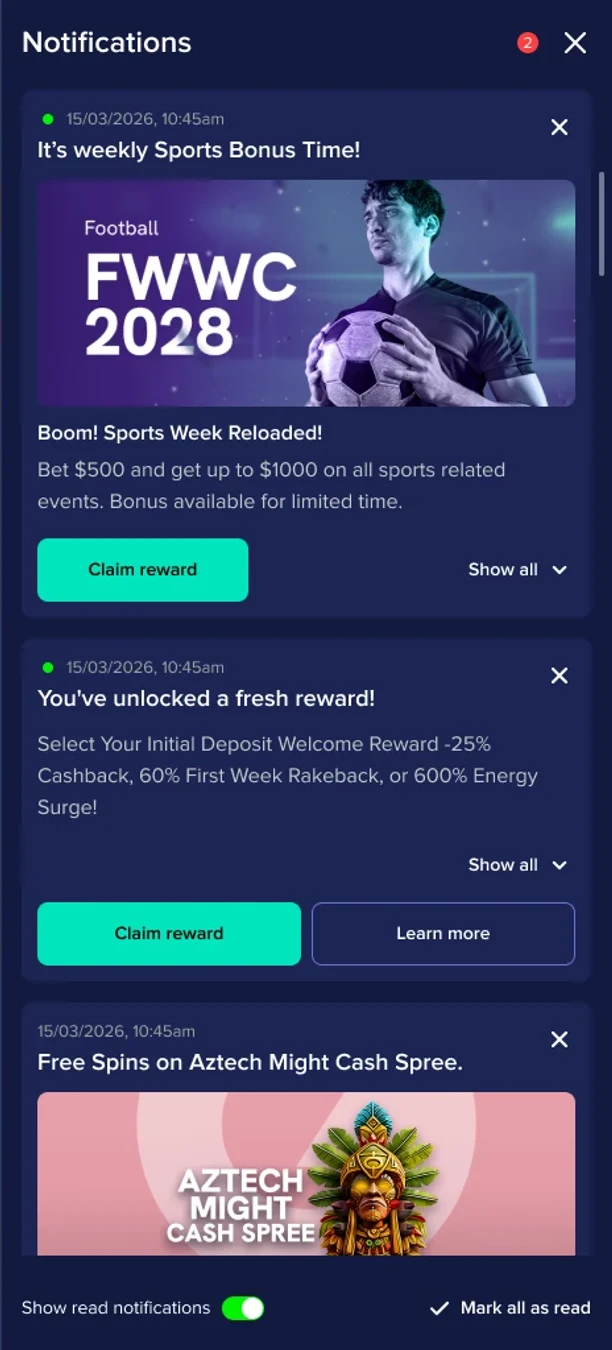
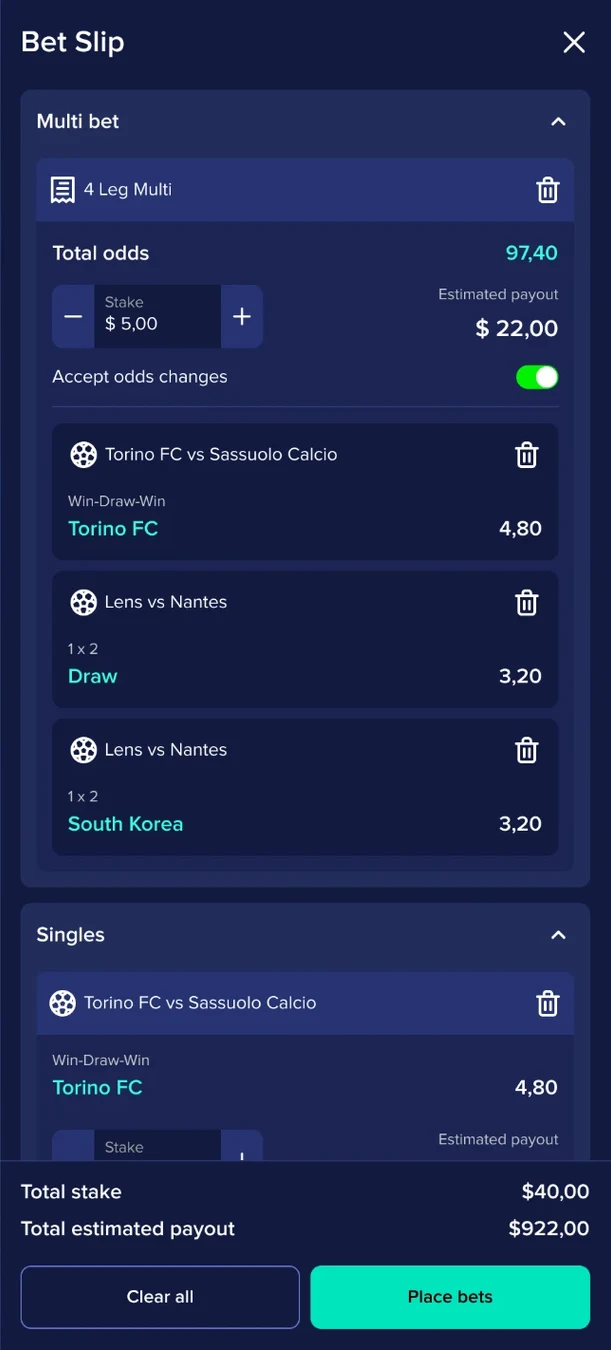
Mobile represented most of the usage across operators, so we solved flows mobile-first and defined their desktop behaviour in parallel: complete flows with their alternative states and edge cases, not isolated screens. The same foundations also shaped GiG’s mobile app, adding native Android and iOS components where each platform needed them.

Mobile loyalty programme showing the current Gold level and progress to Platinum
Mobile promotions list with casino and live casino offers
Mobile shop with special offers paid in diamond coins
02Mobile flows: loyalty, promotions and shop.

Building for a product that needed to keep growing.

The architecture of the Design work itself also needed to change.

Instead of keeping the entire product in one Figma file, we separated XSITE into two connected sources.

Source 01Design System +
Documentation
Source 02Product Pages +
Flows

This solved the memory limitations we had experienced with larger Figma files and allowed both sides of the product to keep growing independently.

The component catalogue could continue expanding without competing with increasingly complex product flows. At the same time, the product architecture could accommodate additional verticals, such as Bingo or Lottery, without returning to the same scalability problems.

It also gave the team a clearer separation between system definition and product implementation.

Product decisions

Design wasn’t there just to execute requirements.

Rebuilding the platform gave us the opportunity to question existing patterns and proposed solutions before they became part of the new foundation.

01 · Navigation

One navigation model instead of two.

Navigation was one of the areas we researched most extensively.

We compared how different products structured primary navigation, mobile navigation and movement between product verticals before exploring alternatives for XSITE.

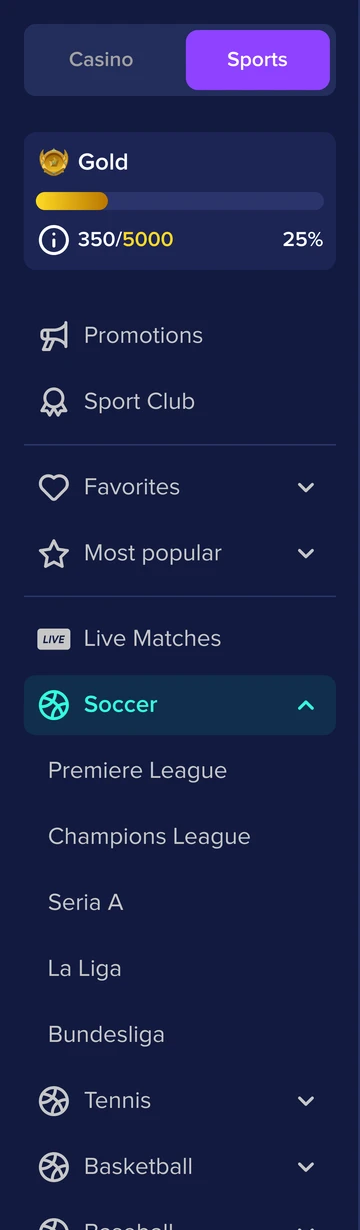
WAND supported two independent navigation models. For XSITE, we moved towards a unified structure combining a Top Bar + Sidebar, creating one navigation foundation for the platform.
02 · Casino + Sportsbook

Designing beyond the immediate requirement.

A key question was how users would move between Casino and Sportsbook. We explored a sub-navigation, but it lacked space and clarity on mobile.

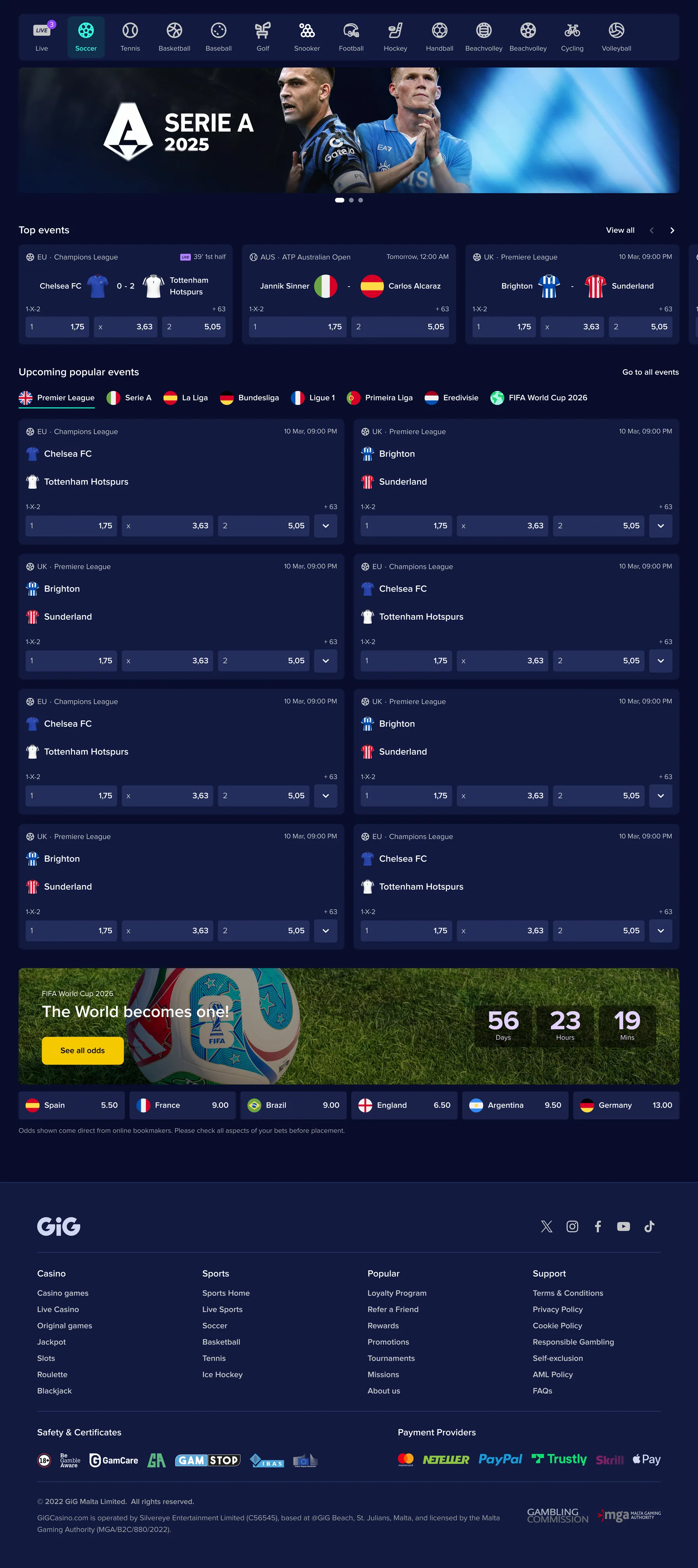
We aligned with the Sportsbook team to put Casino in their bottom navigation, and designed a Product Switcher for the sidebar that could host future verticals too.

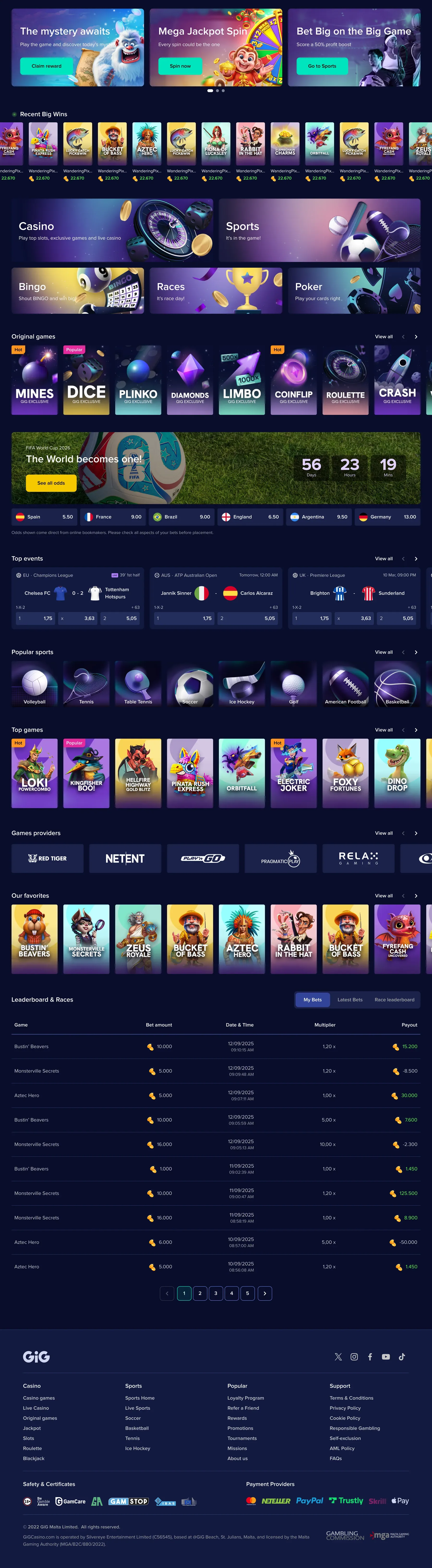
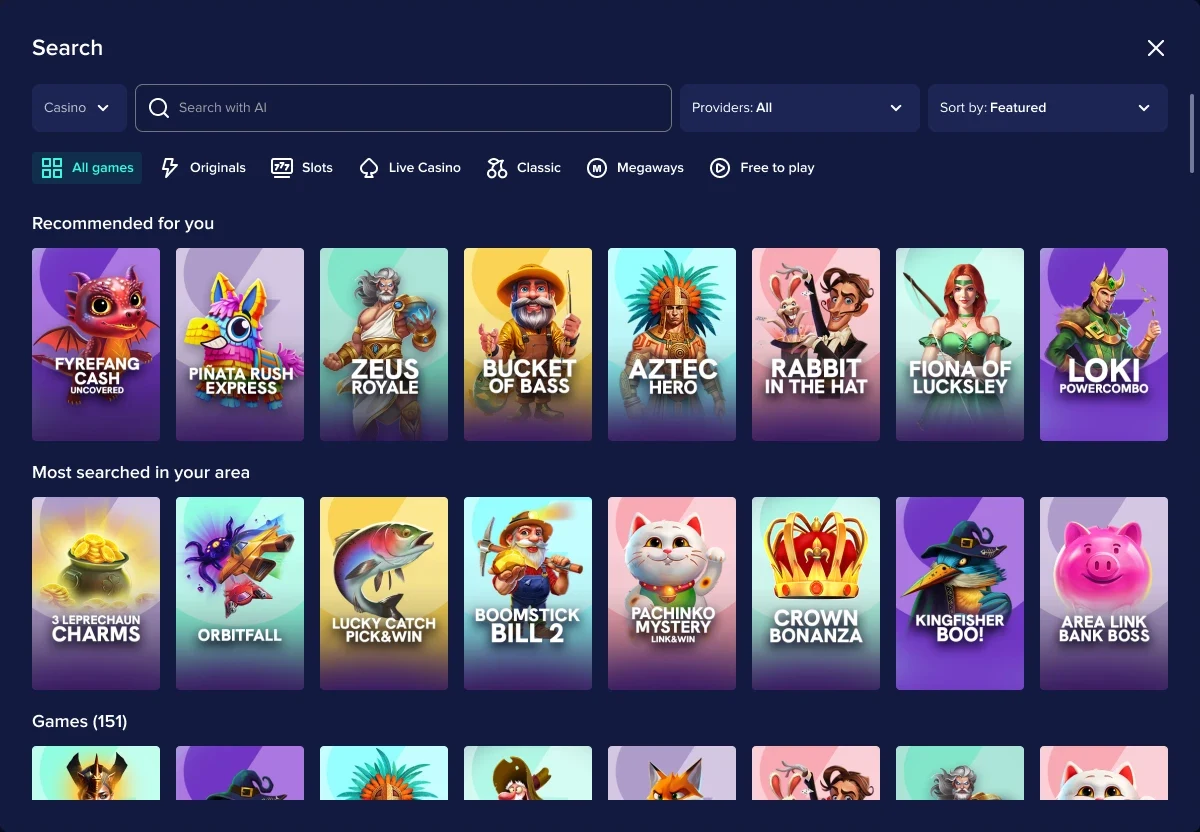
XSITE Casino home page

03 · Challenging Product requirements

Not every initial proposal became part of XSITE.

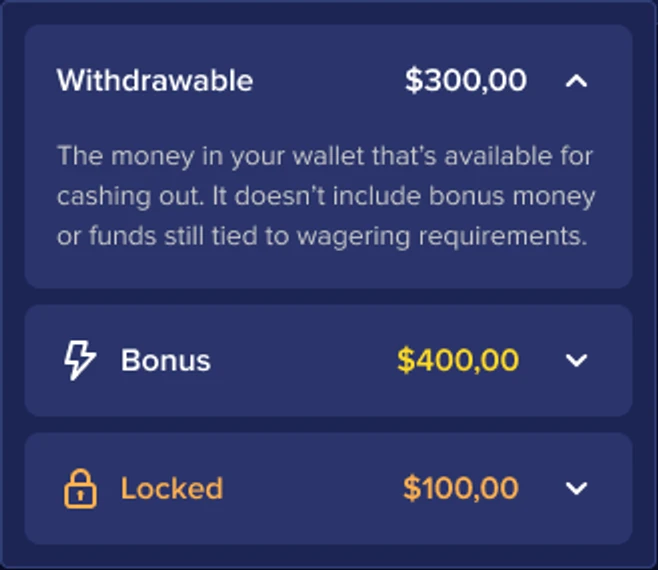
Product initially proposed opening the Cashier in a modal. Design challenged the solution and we aligned on integrating it into the right-side panel instead.

Similarly, an initial proposal to display all bonuses simultaneously evolved into a dropdown solution after Design review.

My role was to make sure important interaction decisions were questioned and discussed before becoming part of the platform.
White-label scalability

One platform. Many brand expressions.
XSITE needed to support different casino operators without turning every new brand into a separate product.

That meant designing for three things at the same time.

We built the Design System around reusable components, documented behaviour and variables that could adapt the product to different brand configurations.

The same underlying system could therefore produce casinos with different visual identities without changing the product foundation underneath them.

Building customisation into the system.

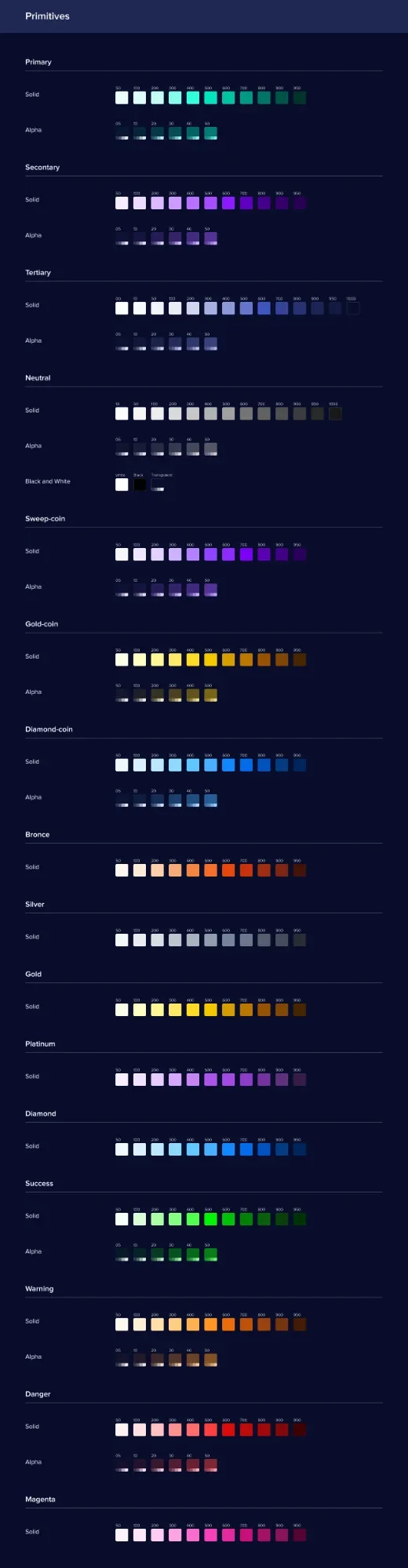
Colour logic was the heart of it. We rebuilt it from primitives to semantic tokens, so any brand worked in light and dark mode.

  • More optionsVertical, currency, navigation, type and more, without new design work.
  • FasterBrands were configured, not redesigned.

Different casinos, one system underneath.

Theme
NameDarkLight

surface

pagetertiary/1000tertiary/50
lv 1tertiary/950tertiary/00
lv 2tertiary/900tertiary/50
lv 3tertiary/950tertiary/00
blanket 8000000080%00000080%
blanket 5000000050%00000050%
blanket 2000000020%00000020%
navigationtertiary/950tertiary/00
navigation-2tertiary/900tertiary/50

background

disabledneutral/alpha/3030%neutral/alpha/3030%
disabled subtleneutral/alpha/1010%neutral/alpha/1010%
whitewhitewhite
blackblackblack
contrasttertiary/200tertiary/800
hi-contrastneutral/10neutral/1000

background / primary

defaultprimary/500primary/500
hoverprimary/400primary/400
pressedprimary/600primary/600
Theme291 variables · 2 modes

Design ↔ Development

Making configuration part of the workflow.

A scalable white-label system also needed a better way to move configuration from Design into Development.

  1. 01Figma Variables
  2. 02Custom Plugin
  3. 03JSON
  4. 04Development
  5. 05Product
04The custom Figma plugin: select the variable collections, then export them as JSON.

We built our own Figma plugin to export variables and configuration as JSON, ready for Development.

Standard brand setups no longer had to be translated by hand; only client-specific requests needed extra work.

The plugin wasn’t the point. Turning a recurring handoff problem into a scalable workflow was.

Documentation

Designing beyond the screen.

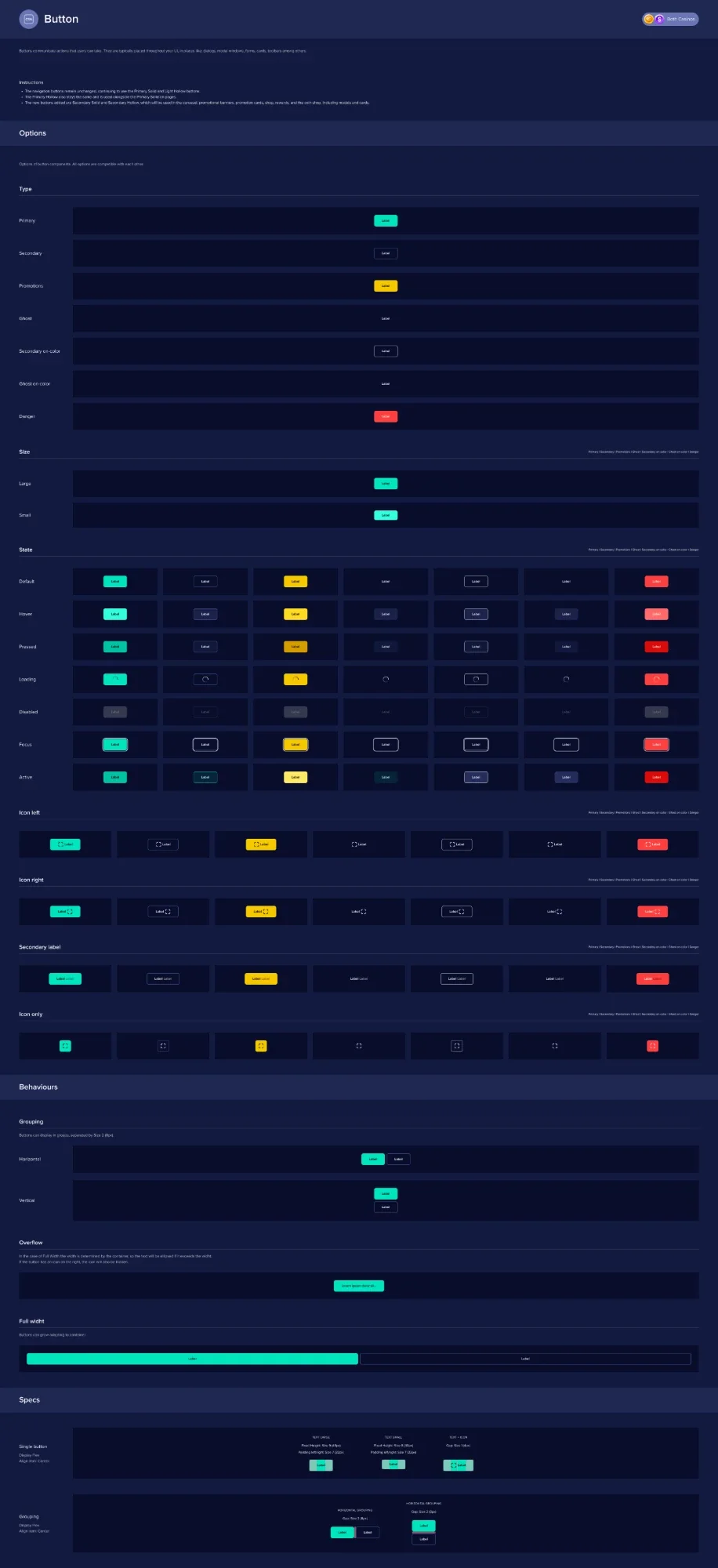
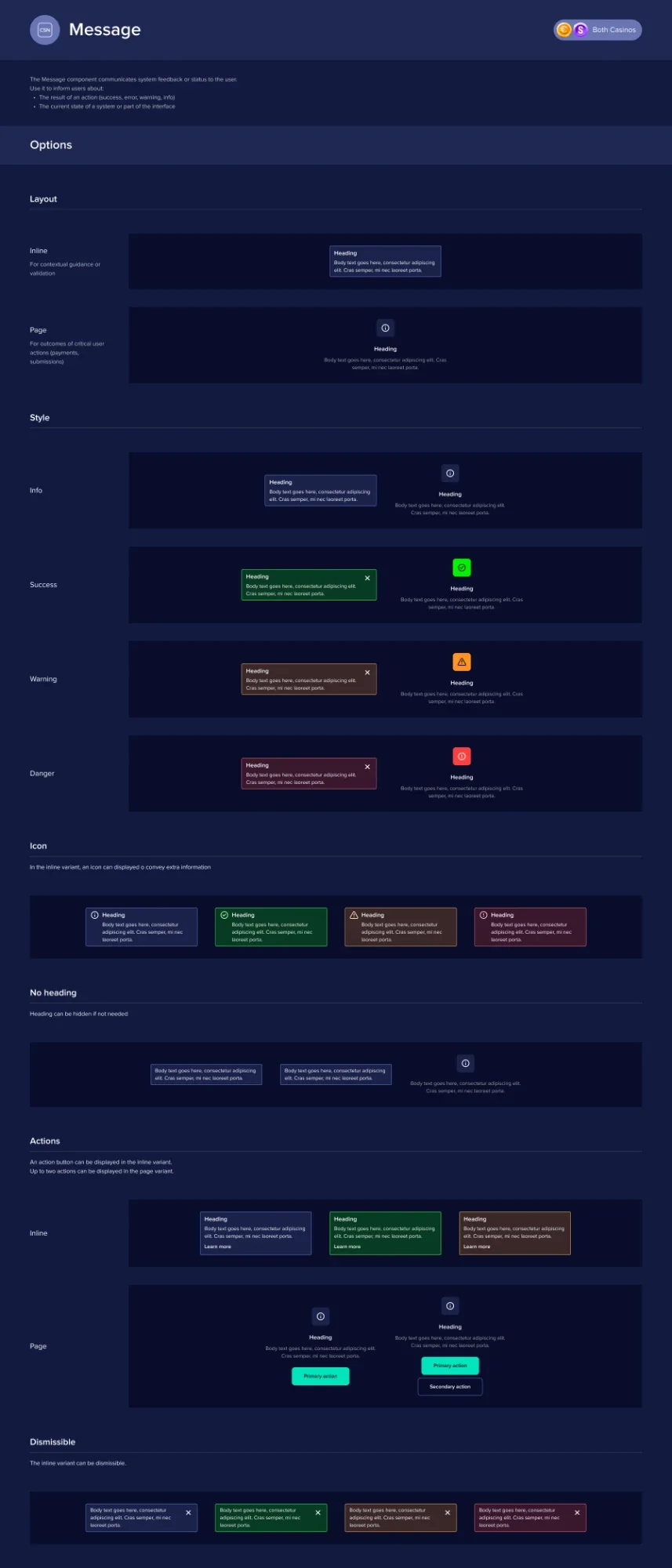
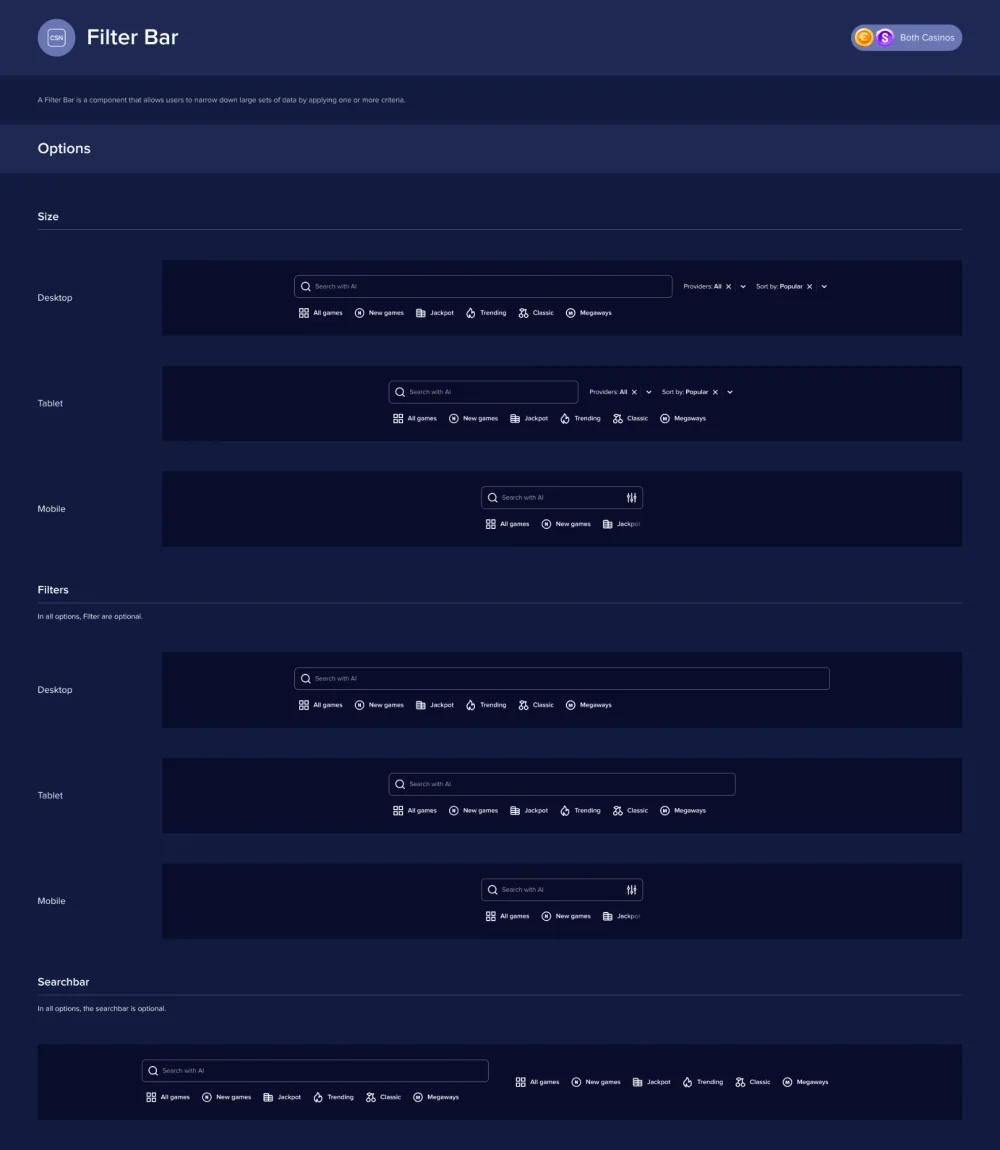
Documentation was built into the system rather than added at the end.

Components included their behaviour, variants, states and intended use, giving Development a reference they could consult directly in Figma.

This made documentation part of the implementation workflow and helped keep the decisions made during Design visible when components moved into Development.

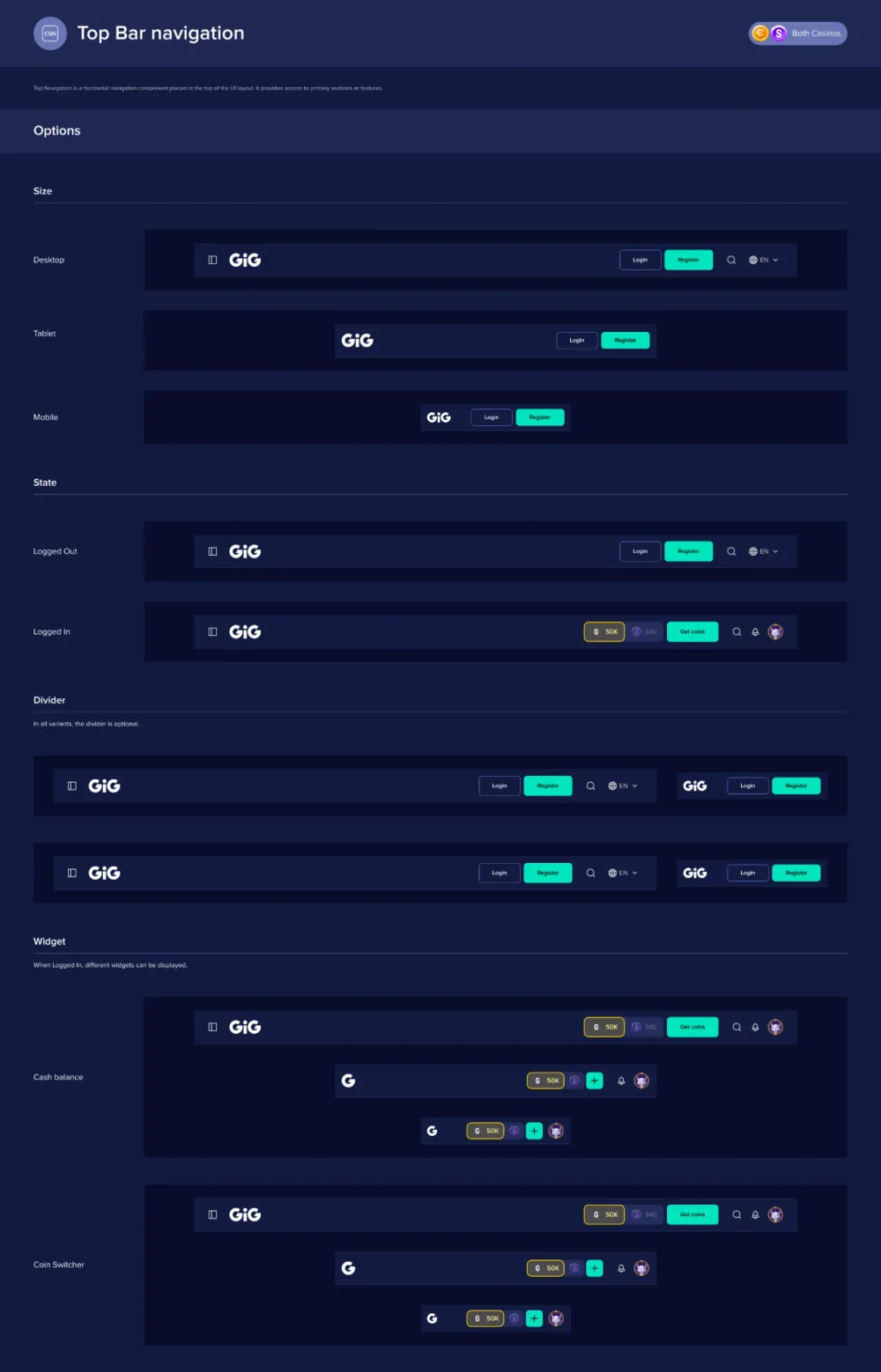
Colour documentation pageButton documentation pageMessage documentation pageFilter Bar documentation pageNavigation documentation page

Keeping teams aligned

Connecting Design, Product and Engineering.

I kept XSITE moving across Design, Product and Engineering without losing sight of the bigger picture.

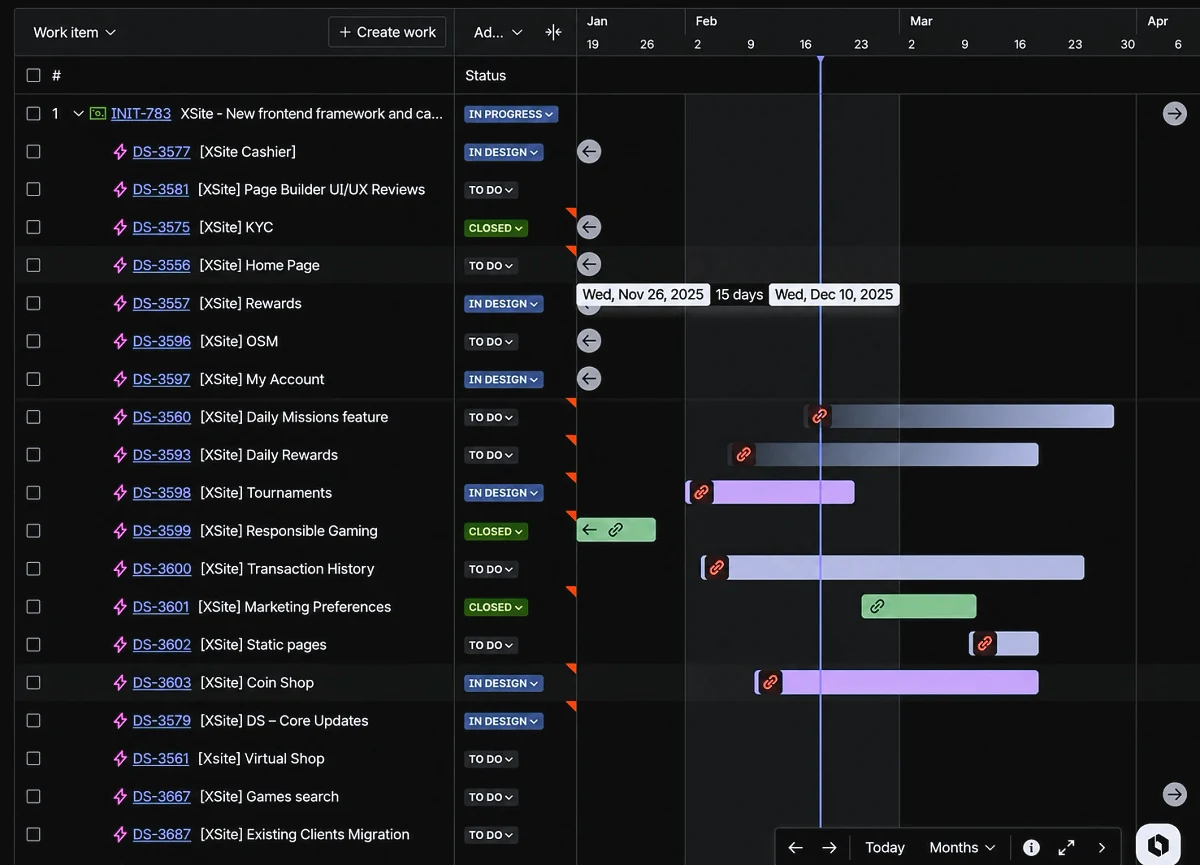
Design Epics in Jira, linked to their Development counterparts, made dependencies and progress visible across both disciplines. From that shared view I planned and reviewed the team’s work, and checked technical feasibility with Engineering before approval.

I worked closely with the Product Owner, Software Engineering Manager and Head of Frontend & Mobile, while weekly director reviews kept key decisions visible beyond the product team.

XSITE Design Epics in Jira's timeline view, each linked to its Development Epic, with status and schedule
05Design Epics in Jira, linked to their Development Epics.

Where I left the project

From product definition to implementation.

By the time I left GiG, the core XSITE experience and the foundations needed to build it had been defined.

  • Main product pages
  • Product flows
  • Edge cases and alternative states
  • Design System
  • Component documentation
  • White-label and variable architecture
  • Design to Development configuration workflow

By the time I left, most of XSITE was already built in code. What we didn’t get to do was test it with real users, so there are no post-launch metrics to share.

Behind the work

María Mora

Want to see how it really works?

Due to confidentiality and intellectual property restrictions, I can’t share XSITE’s full Design System and product documentation publicly.

I’d be happy to walk you through its Figma architecture, components, variables, documentation and key product decisions in an interview, and answer any questions you may have.

Let’s talk